Shield Equipment From Voltage Spikes
Whole Home Surge Protection in Crofton for properties with sensitive electronics and connected smart devices
Voltage spikes from lightning strikes, utility switching, or large motor startups can damage appliances, electronics, and smart-home equipment even when the event does not trip breakers or cause visible failure. Setera Electrical Contractors, LLC installs whole-home surge protection in Crofton at the electrical system level, intercepting transient overvoltages before they reach branch circuits. The installation uses either external block-type units mounted near the meter or internal breaker-type devices installed directly in the panel, depending on the panel's configuration and available space.
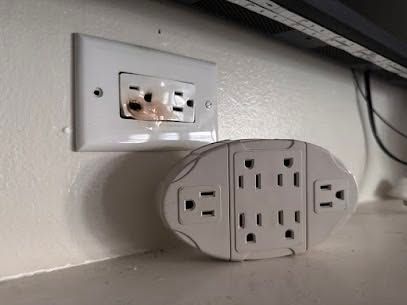
Whole-home surge protection differs from plug-in power strips by addressing surges at the service entrance, before they distribute through the home's wiring. As homes add smart thermostats, security systems, connected appliances, and home-office equipment, the number of vulnerable devices increases, and surge events that once affected only a television now threaten dozens of interconnected components.
Schedule a surge protection consultation to evaluate panel compatibility and determine the appropriate protection strategy for your electrical system.
How System-Level Protection Functions
Surge protection devices clamp voltage spikes by diverting excess energy to ground, limiting the peak voltage that reaches downstream circuits. External block-type units mount outside near the meter and protect the entire service, while internal breaker-type units fit inside the panel and offer similar protection with easier access for inspection. Both approaches reduce the transient overvoltages that degrade sensitive electronics over time, even when individual events do not cause immediate failure.
After installation, you will not notice day-to-day operation, but connected devices avoid the cumulative stress of repeated voltage spikes. Indicator lights on most units confirm that protection remains active, and periodic inspection verifies that the device has not sacrificed itself during a severe surge event.
Surge protection does not guarantee immunity from all electrical damage, particularly during direct lightning strikes or catastrophic utility faults, but it significantly reduces risk from the far more common moderate transients that occur throughout the year. Pairing whole-home protection with quality plug-in surge protectors at sensitive equipment creates layered defense against multiple threat sources.
Common Questions About Whole-Home Surge Protection
Homeowners evaluating surge protection often ask how the devices function, what installation involves, and how protection differs from simpler plug-in options.
What determines whether external or internal surge protection is used?
Panel design dictates the approach; older panels with limited space or no available breaker slots typically require external block-type units, while newer panels with room for additional breakers can accommodate internal breaker-type devices that integrate directly into the panel.
How do Crofton's frequent summer storms affect surge risk?
Afternoon thunderstorms during Maryland's humid summer months produce lightning activity that generates voltage transients on utility lines, even when strikes occur miles away, creating dozens of surge events each season that cumulatively stress electronic components.
When is the best time to add surge protection?
Installation makes sense during new construction, panel upgrades, or anytime you recognize that the value of connected devices and appliances exceeds the cost of protection; waiting until after damage occurs eliminates the preventive benefit.
What happens during a surge event that exceeds protection capacity?
The surge protection device sacrifices itself by absorbing energy that would otherwise reach downstream circuits, rendering the unit inoperative but preserving connected equipment; indicator lights signal when replacement is needed.
Why does whole-home protection not eliminate the need for plug-in surge protectors?
Whole-home devices clamp large utility-side surges, while plug-in units address smaller internal transients generated by equipment within the home and provide battery backup for critical devices that require uninterrupted power during outages.
Setera Electrical Contractors, LLC evaluates your panel and electrical configuration to recommend the surge protection approach that fits your system and budget. Arrange a consultation to review options and determine the appropriate protection level for your home's connected equipment.