
Integrate Connected Systems With Professional Wiring
Smart Home Installation in Crofton for homeowners adding automation, lighting controls, and connected devices to existing electrical systems
Installing smart lighting, automated controls, and connected devices without planning how they integrate electrically often creates operational problems: switches that control incompatible bulbs, dimmers that hum or flicker, and wireless devices competing for limited bandwidth. Setera Electrical Contractors, LLC performs smart home installation in Crofton that coordinates the electrical infrastructure needed for reliable automation, including proper switch selection, neutral wire installation where required, and circuit planning that avoids overloading control devices. The work supports homeowner-selected systems ranging from basic smart bulbs and switches to integrated lighting controls and professionally installed security equipment such as Ring or SimpliSafe.
Smart home installation addresses the wiring and electrical requirements that allow connected devices to function as intended rather than fight against existing infrastructure. Many smart switches and dimmers require neutral wires that older homes lack at switch boxes, and some automation systems need dedicated circuits or low-voltage control wiring that retrofit installations must add.
Request a smart-home consultation to evaluate your electrical system's readiness for automation and plan any necessary wiring changes before installing connected devices.
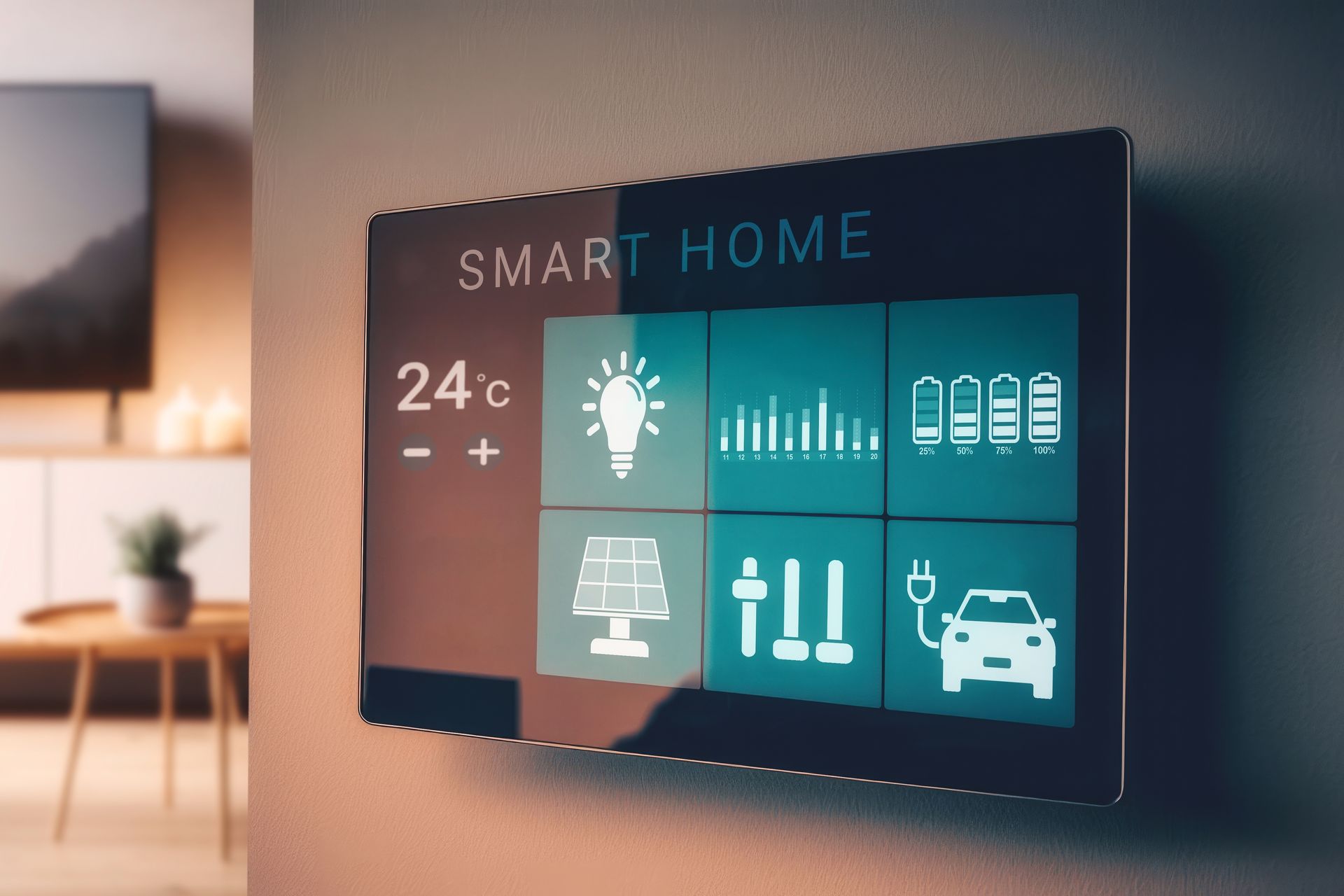
Why Electrical Planning Improves Smart-Home Performance
Smart switches and dimmers draw standby power to maintain wireless connectivity and process commands, requiring neutral wires that allow current to return to the panel even when the switch is off. Homes wired before the 1990s often ran only hot and switched-leg wires to switch boxes, omitting neutrals that modern smart devices need. Adding neutral wires during smart-home installation prevents compatibility issues that cause devices to malfunction or fail prematurely.
Once the electrical infrastructure supports smart devices, you control lighting and connected equipment through apps, voice commands, or automated schedules without experiencing the flickering, buzzing, or dropped connections that poorly planned installations create. Setera Electrical Contractors, LLC coordinates device selection with wiring capabilities, ensuring that switches match bulb types, dimmers support LED loads, and control systems receive the power and connectivity they require.
The installation does not lock you into proprietary systems or require ongoing service contracts; instead, it prepares your electrical system to accommodate whatever connected devices you choose while avoiding the trial-and-error troubleshooting that frustrates DIY smart-home projects. Professional wiring creates a foundation that makes adding or changing devices straightforward rather than requiring repeated electrical modifications.
Common Questions About Smart-Home Electrical Work
Homeowners planning smart-home upgrades often ask what electrical changes are necessary and how professional installation differs from connecting devices directly to existing wiring.
What electrical changes do smart switches and dimmers typically require?
Most smart switches need neutral wires at the switch box for standby power and wireless communication; older homes often lack neutrals at switches, requiring new cable runs from the fixture box or panel to provide the necessary conductors.
How does Crofton's housing age affect smart-home installation?
Homes built before neutral-wire requirements became standard in the 1980s need additional wiring work to support modern smart devices, while newer construction typically includes neutrals at all switch locations, simplifying installation and reducing retrofit costs.
When should homeowners plan electrical work before buying smart devices?
Planning electrical infrastructure before purchasing devices prevents compatibility problems; some automation systems require specific wiring or panel configurations that influence device selection, and discovering incompatibilities after purchase creates return hassles and project delays.
What support does the company provide for DIY security systems like Ring or SimpliSafe?
The electrical work includes installing dedicated circuits for base stations, running wiring for hardwired sensors or cameras, and ensuring that doorbell transformers provide adequate power for video doorbells, but the homeowner or manufacturer handles device programming and wireless setup.
Why do some smart bulbs cause problems with existing dimmer switches?
Conventional dimmers designed for incandescent bulbs often flicker, hum, or fail to dim correctly with LED smart bulbs because the electronic drivers in LEDs create capacitive loads that older dimmers cannot regulate properly; smart-bulb installations typically replace conventional dimmers with on-off switches or compatible smart dimmers.
Setera Electrical Contractors, LLC evaluates your home's wiring to identify what changes are necessary before smart devices can operate reliably. Schedule a consultation to discuss your automation goals and plan the electrical work that creates a dependable foundation for connected systems.