
Reliable Connectivity Where Wireless Falls Short
Ethernet Wiring Installation in Crofton for rooms where wireless signals drop or slow during critical tasks
Wireless networks sometimes struggle in specific areas of a home—rooms separated by multiple walls, spaces with older construction materials, or locations far from the router create gaps where streaming buffers, video calls freeze, or file transfers stall. Setera Electrical Contractors, LLC installs hardwired Ethernet connections in Crofton homes where stable network performance matters for work, entertainment, or connected devices. Your devices connect directly to your network through dedicated cabling that bypasses the variables affecting wireless signals.
Ethernet wiring runs from your router or network switch to specific rooms, terminated at wall-mounted jacks that match your existing outlets. Installation involves planning cable routes through walls, attics, or crawl spaces to reach home offices, entertainment centers, security equipment, or smart-home hubs that function better with consistent bandwidth. Cables are secured and tested to deliver the connection speeds your network equipment supports, independent of distance or interference.
Request an on-site wiring estimate to review your layout and identify optimal connection points.
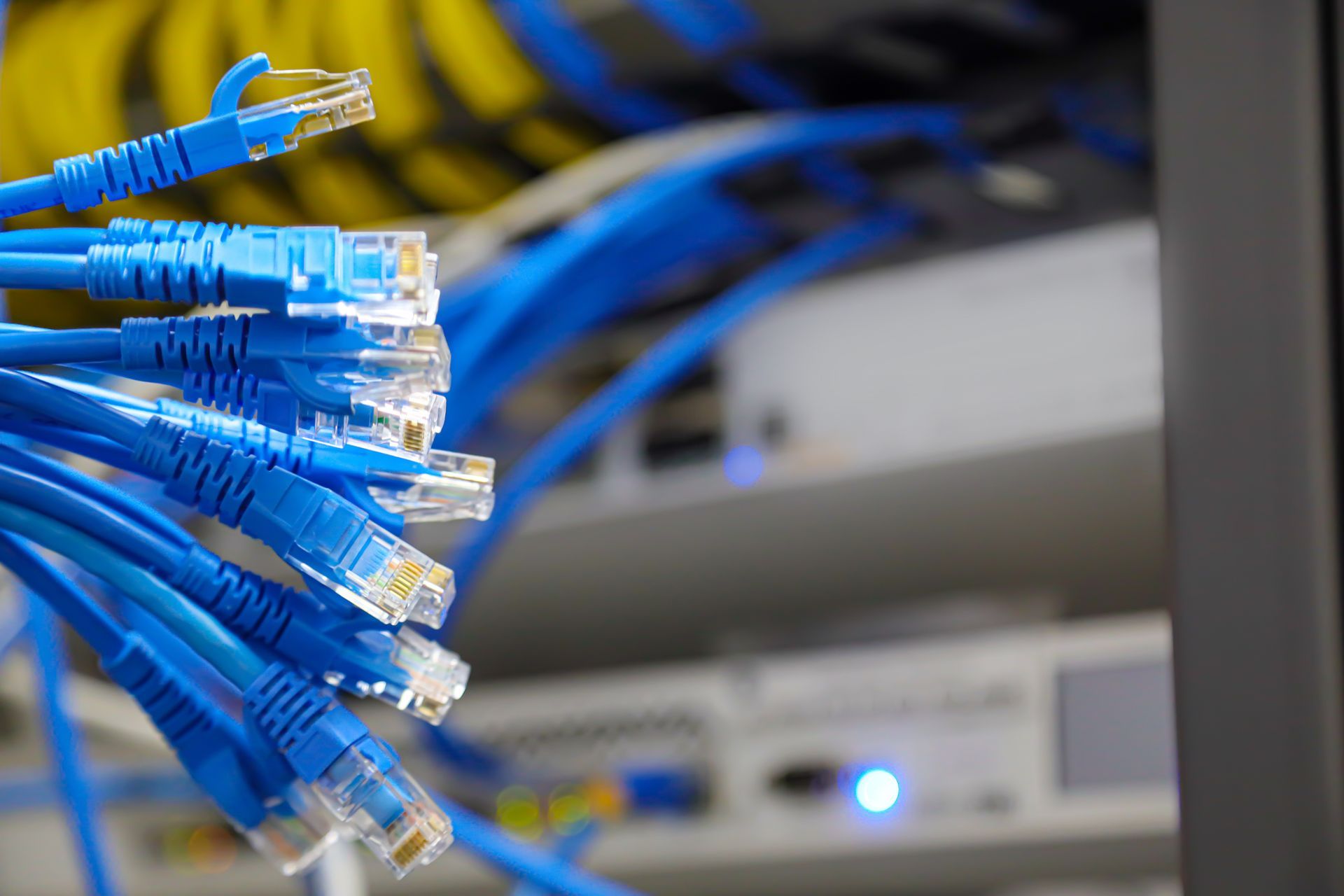
What Hardwired Connections Accomplish
Installation begins with route planning: identifying the shortest, cleanest paths from your network source to each connection point while avoiding conflicts with existing wiring, plumbing, or HVAC runs. Cables are fished through walls and secured at termination points, then tested with network equipment to confirm link integrity and speed compatibility. Category rating of the cable—Cat5e, Cat6, or Cat6a—determines the maximum throughput your equipment can use, though actual performance depends on your internet service plan and router specifications.
Once installed, you connect devices directly to the Ethernet jacks without configuring wireless settings or troubleshooting signal strength. Streaming devices maintain consistent video quality without buffering pauses. Video conferencing runs without pixelation or audio dropouts caused by interference. Large file transfers complete without interruptions that force restarts. Network-attached storage and smart-home controllers communicate reliably because the physical connection removes the variables that affect radio frequency transmission.
Wiring is typically concealed within walls during installation or routed along baseboards and through closets in finished spaces where opening walls is impractical. Remodels and unfinished basements offer easier access for running cables. Patch panels can be installed at a central location if you plan to expand your wired network to additional rooms later.
Questions Before Adding Wired Network Connections
Homeowners in Crofton planning Ethernet installations often ask about routing options, performance differences, and how wiring integrates into finished or remodeled spaces.
What rooms benefit most from Ethernet wiring?
Home offices where video calls and file uploads occur daily, entertainment areas with streaming devices or gaming consoles, and locations where security cameras or smart-home hubs connect to your network see the most noticeable improvement from hardwired connections.
How is cable routed through finished walls?
Cables are fished through wall cavities from the attic, basement, or crawl space to each outlet location, then terminated at low-voltage boxes installed at the same height as existing receptacles. In spaces where wall access is restricted, surface-mounted raceways or routes through closets and along baseboards are used to minimize visible wiring.
Will Ethernet wiring increase my internet speed?
Wired connections deliver the full speed your internet service provides without the signal loss or interference that can reduce wireless performance, but the cable itself does not increase the speed your provider supplies. If your plan delivers 100 Mbps, a wired connection ensures your device receives that full speed rather than a reduced rate caused by distance or obstruction.
What cable category should I install for future performance?
Cat6 cable supports speeds up to one gigabit over typical residential distances and handles most current and near-term home network demands. Cat6a extends that capacity to ten gigabits and provides additional shielding, useful if you plan to upgrade network equipment or add high-bandwidth devices later.
Can Ethernet be added during a remodel or only in new construction?
Remodels with open walls, attic access, or unfinished basement areas allow straightforward cable runs similar to new construction. In fully finished homes, installation is more involved but remains feasible by routing through accessible pathways and using low-profile outlets or raceways where concealed runs are impractical.
Setera Electrical Contractors, LLC evaluates your home's layout and network requirements to recommend connection locations and routing methods that balance performance and installation complexity. Schedule a wiring consultation to review your space and develop a plan for reliable hardwired connectivity.