Electrical Infrastructure for Backup Power Systems
Generators in Crofton for homes integrating backup power equipment with existing electrical systems
Connecting a backup generator to a home's electrical system requires professional electrical work to route power safely, install transfer equipment, and meet code requirements that prevent backfeeding utility lines during outages. Setera Electrical Contractors, LLC in Crofton supports the electrical wiring and infrastructure that allows backup power equipment to supply selected circuits or the entire home when utility service fails. The electrical coordination includes transfer switch installation, dedicated circuits for generator connection, and panel modifications that isolate generator-supplied loads from the utility grid.
The electrical work prepares the home's system to accept backup power, manages how loads transfer between utility and generator sources, and maintains separation that protects utility workers during restoration efforts. Homeowners typically work with generator suppliers for equipment selection and installation, while the electrical contractor handles the integration that makes backup power functional and code-compliant.
Request a generator electrical-work consultation to assess your panel's capacity and plan the wiring infrastructure required for backup power integration.
Why Generator Integration Requires Electrical Planning
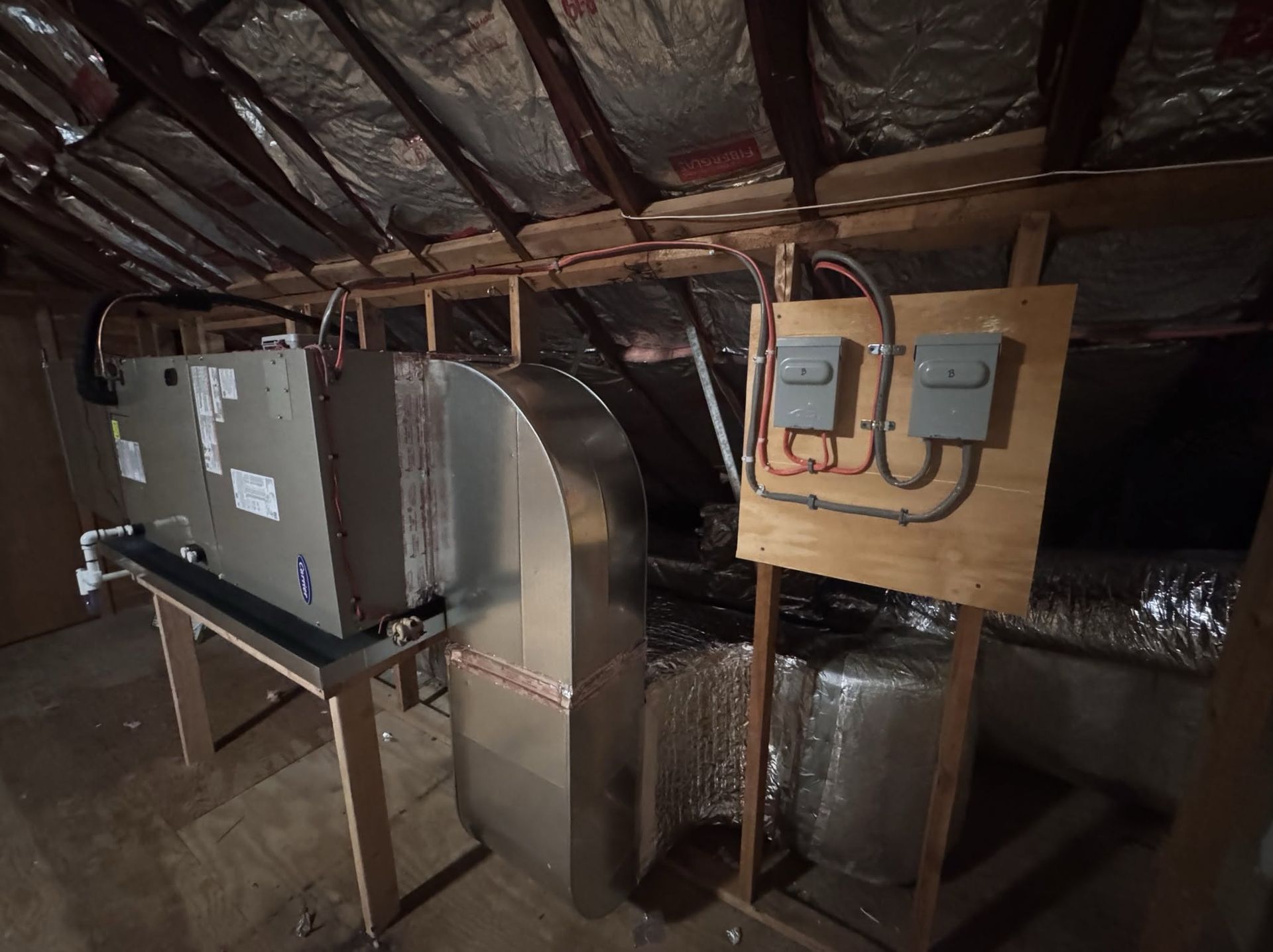
Transfer switches prevent generator power from flowing backward into utility lines, where it could injure repair crews or damage transformers. Manual transfer switches require the homeowner to physically switch between utility and generator sources, while automatic units monitor utility status and transfer loads without intervention. Circuit selection determines which loads receive backup power, with critical circuits such as refrigeration, heating controls, and sump pumps prioritized over discretionary loads like electric ovens or central air conditioning.
Once the electrical infrastructure is completed, you control backup power by starting the generator and operating the transfer switch according to its design. Setera Electrical Contractors, LLC coordinates the electrical work with generator installation schedules and evaluates whether the existing panel can accommodate the transfer equipment or requires upgrades before backup power becomes feasible.
The electrical scope focuses on safe integration rather than equipment supply or sizing, so accurate planning depends on knowing what loads need backup power and what generator capacity the homeowner intends to install. Mismatched circuit loads and generator output create operational problems that proper electrical planning avoids.
Questions About Generator Electrical Work
Understanding what the electrical contractor handles versus what the generator supplier provides helps homeowners coordinate backup power projects effectively.
What does the electrical contractor do during generator installation?
The electrical work includes installing the transfer switch, running dedicated circuits from the generator connection point to the switch, modifying the panel as needed to accept transfer equipment, and verifying that all connections meet code requirements for isolation and grounding.
How does Crofton's climate affect generator operation?
Maryland's humid summers and occasional winter ice storms create conditions where backup power proves most valuable, but outdoor generator equipment requires proper ventilation and weather protection that influence placement and electrical routing.
When should the electrical work happen relative to generator delivery?
Electrical infrastructure should be planned before generator installation so that transfer equipment, panel modifications, and circuit routing are ready when the generator arrives, avoiding delays and rework from mismatched expectations.
What determines which circuits receive backup power?
Available generator capacity and homeowner priorities dictate circuit selection; most installations prioritize essential loads such as refrigeration, heating systems, sump pumps, and lighting while excluding high-draw equipment like electric water heaters or ranges unless generator capacity supports them.
Why do some homes need panel upgrades before adding generator capability?
Older panels may lack physical space for transfer equipment, use obsolete bus configurations incompatible with modern switches, or have insufficient main breaker ratings to support the load management required by automatic transfer systems.
Setera Electrical Contractors, LLC evaluates your electrical system to determine what infrastructure changes are necessary before backup power equipment can function safely and legally. Arrange a consultation to review your panel's readiness and plan the electrical work required for generator integration.